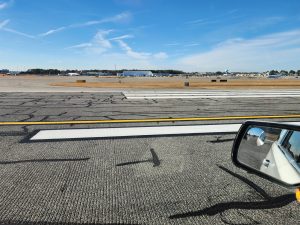
Runway 2-20 preventative maintenance project – crack sealing
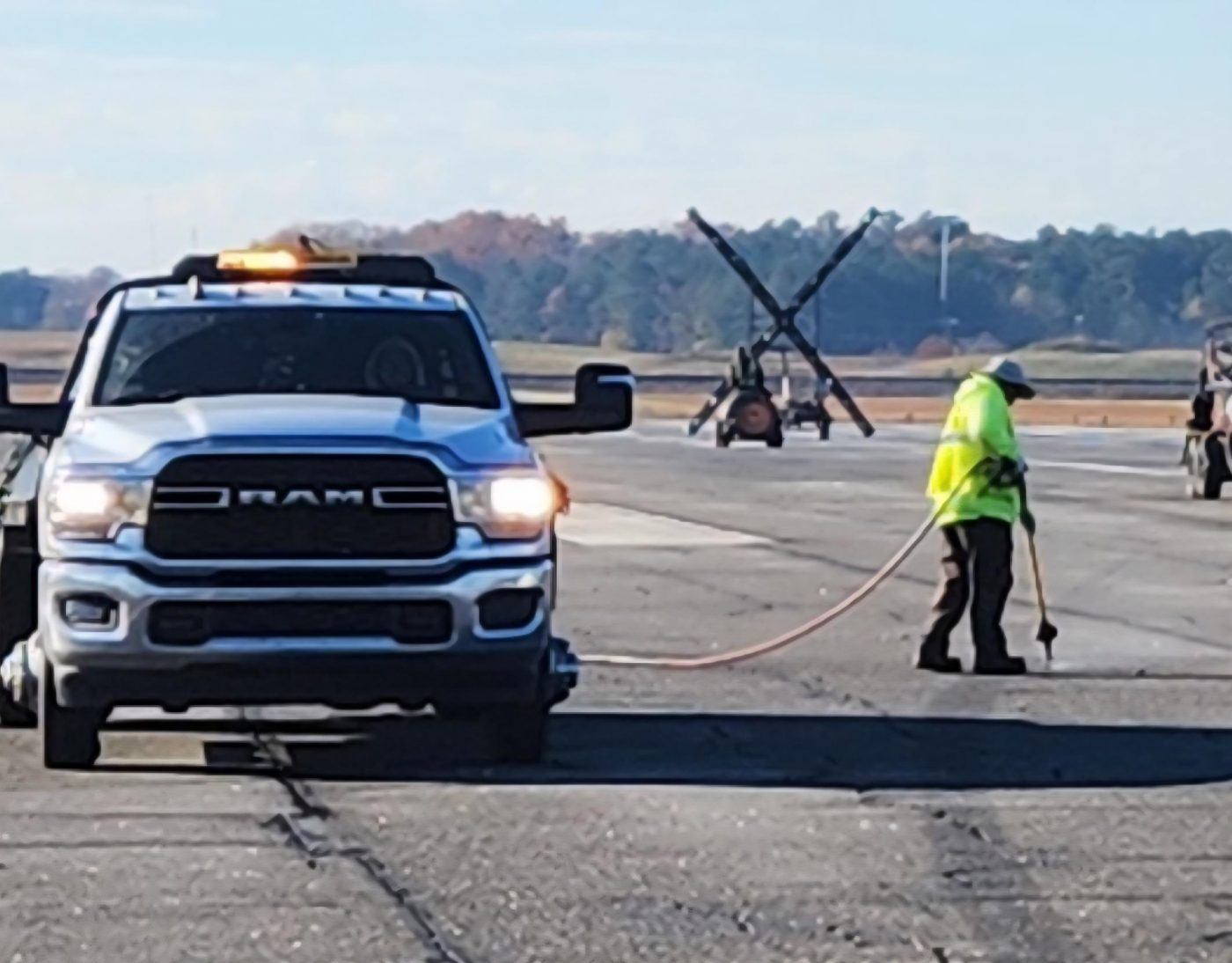
After nearly a month of daily closures, the RIC maintenance division with the assistance of a contractor completed a project to seal asphalt cracks and paint the entirety of Runway 2-20. The runway is RIC’s second longest at 6607 ft in length, and 150 ft in width. Runway 2-20 was last resurfaced approximately 15 years ago, and the stresses of weather and aircraft operations causes cracking on the surface that can result other issues like producing Foreign Object Debris (FOD), vegetation growth, and other potentially hazardous conditions.
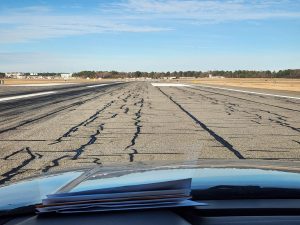
Runway crack sealing is crucial for extending pavement life and ensuring flight safety by preventing water intrusion, which erodes the base, leading to potholes and structural failure; it’s a cost-effective, proactive maintenance step that seals cracks with rubberized material, blocking moisture, UV rays, and debris, thereby preserving structural integrity, reducing major repair costs, and preventing Foreign Object Debris (FOD) that threatens aircraft, making it essential for airport longevity and operational safety.
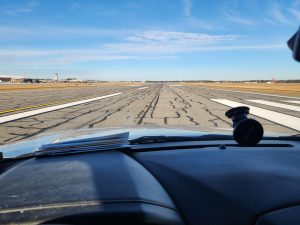
- Moisture Barrier: Seals cracks, stopping water from seeping into the base and causing erosion.
- Extends Pavement Life: Prevents small cracks from growing, delaying costly full reconstruction.
- Prevents FOD: Reduces loose bits of pavement (Foreign Object Debris) that can damage aircraft engines.
- Cost-Effective: Inexpensive compared to major pavement repairs or replacements.
- Protects Against Elements: Blocks UV rays and dirt from further deteriorating the asphalt.
In addition to crack sealing, the runway markings were refreshed and repainted, making them brighter and more visible to pilots.